





























Your sleep environment changes more with the seasons than many people realize.
A room that feels comfortable in autumn may feel too warm in summer or too cold in winter. Add in humidity, changing daylight, heavier bedding, or dry indoor heat, and sleep can start to feel much less predictable through the year.
The good news is that sleeping better in any climate usually comes down to a few practical adjustments. When you understand how temperature, airflow, light, and bedding affect rest, it becomes much easier to build a bedroom setup that works in every season.

Why Temperature Matters So Much for Sleep
Your body naturally cools down at night as part of the process of falling asleep.
That drop in temperature helps signal that it is time to rest. But if your room is too warm, too humid, or your bedding traps too much heat, your body has to work harder to cool itself. That can lead to lighter sleep, more waking, and a less restful night overall.
On the other hand, a room that feels too cold can also cause problems. If you are uncomfortable or struggling to stay warm, your body may not relax as easily.
That is why sleep comfort is not just about being warm or cool. It is about helping your body stay balanced.
The Ideal Sleep Temperature Range
Most people sleep best in a cool bedroom.
A common range for better sleep is around 15.6 to 18.3°C. That said, the best setup depends on more than the thermostat alone. Your bedding, sleepwear, airflow, and the type of heat outside all affect how the room feels once you are actually in bed.
The goal is not to hit one perfect number. The goal is to create a sleep environment where your body does not have to struggle to stay comfortable.

How to Sleep Well in Spring
Spring can be harder on sleep than it looks.
Mornings start getting brighter earlier, which can wake you sooner than you want. Temperatures also swing more from day to night, so it can be difficult to stay comfortable under the same bedding all night.
This is usually the season when flexibility matters most.
What helps in spring
Use blackout curtains or heavier window coverings if early morning light starts waking you too soon.
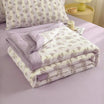
Choose bedding that feels light and breathable but still gives enough comfort for cooler nights. This is where a year round layer can work well. The Slumblr® Cotton Crepe Striped Quilt Set fits naturally into spring because its washed cotton crepe fabric is airy and breathable without feeling too thin. It gives the bed a more relaxed and balanced feel when temperatures shift between cool mornings and milder nights.
It also helps to wear sleepwear that feels comfortable across temperature changes rather than too warm from the start.

How to Sleep Well in Summer
Summer is often the hardest season for sleep.
Longer evenings and earlier sunrises can push your body clock later and make your room brighter earlier in the morning. On top of that, heat can stop your body from cooling down properly at bedtime.
This is why summer sleep often turns into tossing, sweating, and waking up feeling drained.
What helps in summer
Start with your bedding. Lighter, more breathable layers usually work better than anything heavy or heat trapping.
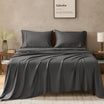
If warm nights leave the bed feeling sticky or less comfortable, the fabric against your skin can matter more than people expect. The Slumblr® Solid Silk Bedding Set can be a good fit here because its satin finish creates a smoother, lighter contact feel that helps the bed feel more refined and less heavy during warmer months. Since it includes the duvet cover, sheet, and pillowcases, it also makes it easier to give the whole bed a cleaner seasonal reset instead of changing only one piece.
Keep the room as dark as possible so early light does not pull you out of sleep too soon. During the day, block direct sun to stop the room from heating up before bedtime.
Airflow also matters. Open windows when temperatures drop, use fans if needed, and let the bed release trapped heat before you get in.
The aim is to make the room feel less heavy and less warm before you ever try to fall asleep.

How to Sleep in Humid Heat
Humidity can be one of the hardest conditions for sleep.
When the air is humid, sweat does not evaporate as easily. That makes it harder for your body to cool down, which can leave you feeling sticky, restless, and uncomfortable through the night.
A room can be hot in a dry climate too, but humidity often feels worse because the heat stays trapped around the body.
What helps in humid weather
Prioritize airflow. Open windows across different parts of the room or home if possible, and use fans in ways that help move warm air out instead of just around.
Choose breathable fabrics that feel lighter and less stuffy. Avoid anything that feels too dense or synthetic if it tends to hold heat. A smoother bedding surface can also make humid nights feel easier to deal with, which is why lighter sets with a breathable feel often work better here than anything bulky.
A cool or lukewarm shower before bed can also help your body settle into a more comfortable temperature.

How to Sleep in Dry Heat
Dry heat comes with a different challenge.
The air may not feel sticky, but the overall temperature can still make it hard for your body to cool down. Rooms can also hold heat from the day, especially if sunlight comes in strongly through the windows.
What helps in dry heat
Let cooler air in once the temperature drops outside, then close windows and cover the room during the hottest parts of the day to keep heat from building again.
Hydration matters more here than many people expect. Dry heat can leave you waking up thirsty or uncomfortable during the night.
Lighter bedding and better room cooling can still make a big difference, even when the air feels less oppressive than humidity.

How to Sleep Well in Autumn
For many people, autumn is one of the easiest seasons for sleep.
Cooler outdoor temperatures and darker evenings often help the body settle into a more natural sleep rhythm. Bedrooms tend to sit closer to a comfortable sleep range without much effort.
The main disruption often comes from seasonal schedule changes, especially around the clock change.
What helps in autumn
Let your schedule adjust gradually instead of expecting your body to adapt in one night.
This is also a good time to refresh the bedroom for colder months ahead. Slightly warmer layers, a neater sleep setup, and a more consistent bedtime routine can all help you make the most of autumn’s naturally sleep friendly conditions.
This is another season where the Slumblr® Cotton Crepe Striped Quilt Set makes sense. Its softly textured cotton feel is cozy enough for cooler evenings but still breathable enough to avoid feeling bulky, which helps during the early part of the seasonal shift when the weather still changes from one week to the next.

How to Sleep Well in Winter
Winter can actually be good for sleep, but only if you stay comfortable.
Longer periods of darkness can help the body wind down, and cooler nights often support deeper rest. The main challenge is staying warm enough without overheating the room.
A bedroom that is too warm can disrupt sleep just as easily as one that is too cold.
What helps in winter
Keep the room cool rather than turning the heat up too high. It usually works better to warm the bed than to overheat the whole room.
Layering helps. Add warmth through the bed itself instead of making the whole bedroom stuffy. Many people sleep better when the room stays cooler but the bedding feels comfortable and well balanced.
Cold feet can also make it harder to fall asleep, so simple things like warm socks or pre warming the bed can help.

Do Not Ignore Your Evening Routine
Seasonal sleep is not only about the bedroom. It is also about how you help your body transition into rest.
In colder weather especially, a warm bath before bed can help you relax and unwind. In warmer weather, a cool or lukewarm shower may feel better and help reduce discomfort before sleep.
A short, simple evening routine can also help signal that the day is ending, no matter what the weather is doing outside.
Practical Tips for Better Sleep in Any Climate
If you want a simple place to start, focus on these:
• Keep the bedroom cool enough that your body can settle comfortably
• Adjust bedding by season instead of using the same setup all year
• Block sunlight during hot months so the room holds less heat
• Let in cooler air when outdoor temperatures drop
• Use breathable fabrics when nights feel warm or humid
• Add warmth through bedding layers instead of overheating the room
• Make small routine changes when the seasons shift
• Build a wind down routine that helps your body relax before bed

Final Thoughts
Sleeping well through the year often comes down to small adjustments. What works in summer may not work in winter, and what feels comfortable in dry heat may feel completely different in humid conditions.
The goal is not to make every season feel the same. It is to help your bedroom work with the weather instead of against it. When your room, bedding, and routine adapt to the season, good sleep becomes much easier to protect whatever the climate is doing outside.



Leave a comment
This site is protected by hCaptcha and the hCaptcha Privacy Policy and Terms of Service apply.