





























You spend about a third of your life asleep. During that time, your body is doing important recovery work, relaxing muscles, restoring energy, and resetting for the next day. But your sleep position can either support that process or quietly make it harder.
If you have ever woken up with a stiff neck, sore lower back, or tight hips and could not figure out why, your sleep posture may be the reason. The goal is not to force a perfect position. The goal is to choose a position that keeps your body supported, breathing steady, and pressure evenly distributed.
This guide breaks down the pros and cons of each common sleep position, and how a few simple support tools can make a big difference.

Why Sleeping Position Matters
Most people focus on pillow softness or mattress firmness, but sleep posture affects more than comfort. Your position influences:
-
spinal alignment from hips to head
-
pressure on shoulders, hips, knees, and lower back
-
breathing and snoring risk
-
whether heartburn feels worse at night
When alignment is off, your body spends the night compensating instead of relaxing, which often leads to tossing, turning, and waking up sore.
The Best Sleeping Position for Most People
In general, side sleeping and back sleeping tend to be better choices than stomach sleeping. In these positions, it is usually easier to keep your spine balanced and supported, which helps muscles release tension and makes sleep feel steadier.
That said, the best position depends on your needs, especially if you deal with snoring, reflux, pregnancy discomfort, or chronic pain.

Best Sleeping Positions Based on Common Sleep Issues
If You Snore or Have Sleep Apnea
Many people do better sleeping on their side, because back sleeping can make the airway more likely to narrow. If you struggle to avoid back sleeping, elevating your upper body slightly may help.
If You Have Heartburn or GERD
Sleeping on your left side often feels better for reflux. Some people also benefit from gentle upper-body elevation.
If You Have Lower Back Pain
A common comfortable option is side sleeping with knees slightly bent, because it reduces strain on the lumbar area. Back sleeping can also work well if you support the knees.
If You Have Neck Pain
Back sleeping can help when the pillow is not too high. Side sleeping can also work if your pillow properly fills the shoulder gap so the neck does not tilt up or down.
If You Have Hip or Knee Pain
Side sleeping often feels better with support between the legs, helping the hips stay aligned and reducing pressure on joints.
If You Are Pregnant
Many people feel best sleeping on the left side, with pillows supporting the belly and between the legs to reduce strain.

A Closer Look at Each Sleep Position
Side Sleeping
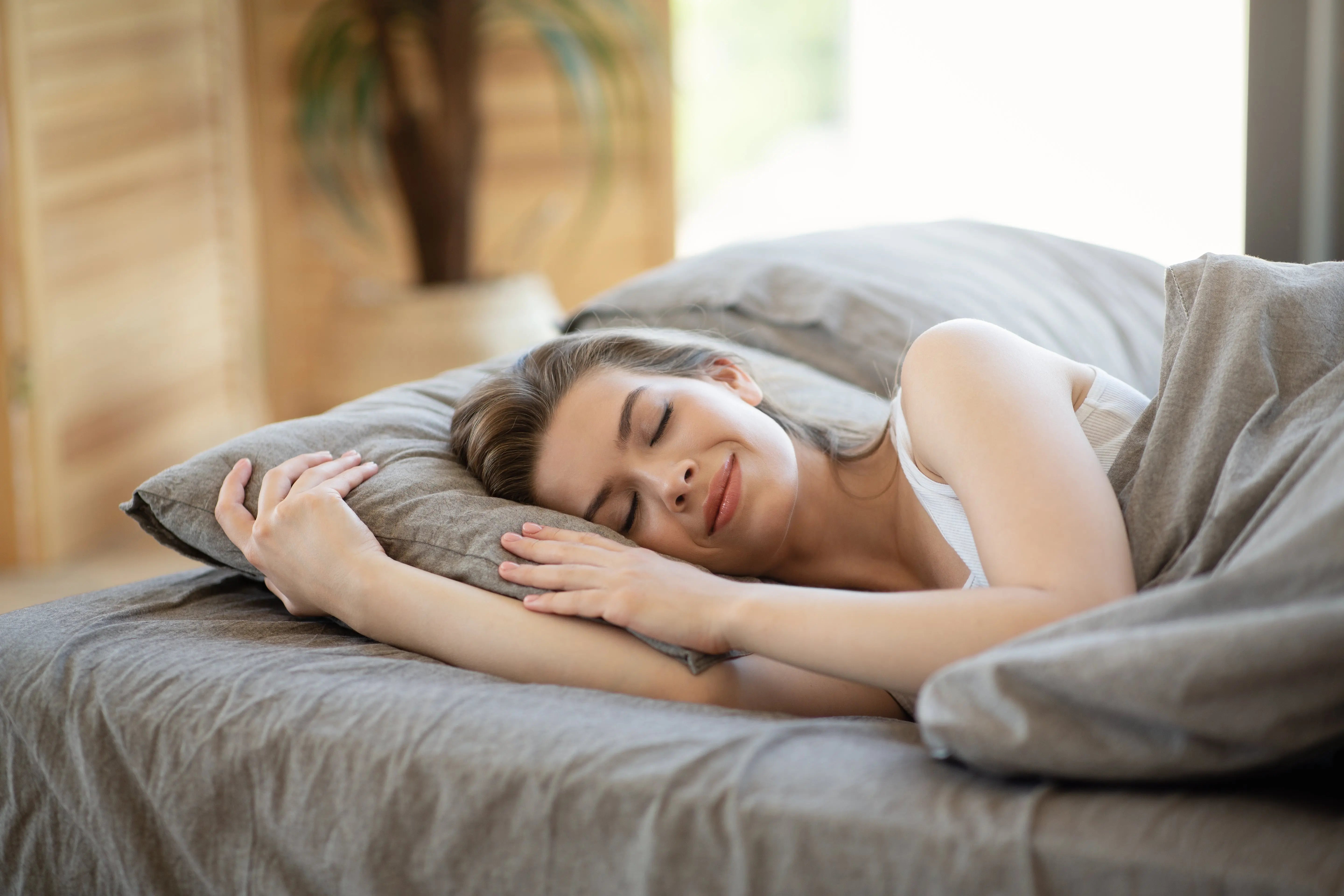
Side sleeping is the most common position for adults. It can help breathing and comfort, but the key is alignment.
How to side sleep better
-
keep your neck aligned with the center of your shoulders
-
avoid twisting the torso forward
-
keep hips stacked, not rolled forward
-
consider spacing the knees to reduce hip rotation
This is where a knee pillow becomes especially useful.
Support Tip: Slumblr® Memory Foam Slow-Return Support Pillow
When side sleeping, legs often overlap or slide forward, pulling the hips out of alignment. That can create pressure in the lower back and make it harder to stay relaxed.
A contoured knee pillow helps keep the legs in a steadier position by maintaining consistent spacing between the knees. Slumblr’s version uses slow-rebound memory foam, a cooling ice-silk style cover, and a strap to help keep it in place through the night. It is a simple addition that supports calmer posture and fewer mid-sleep adjustments.

Back Sleeping
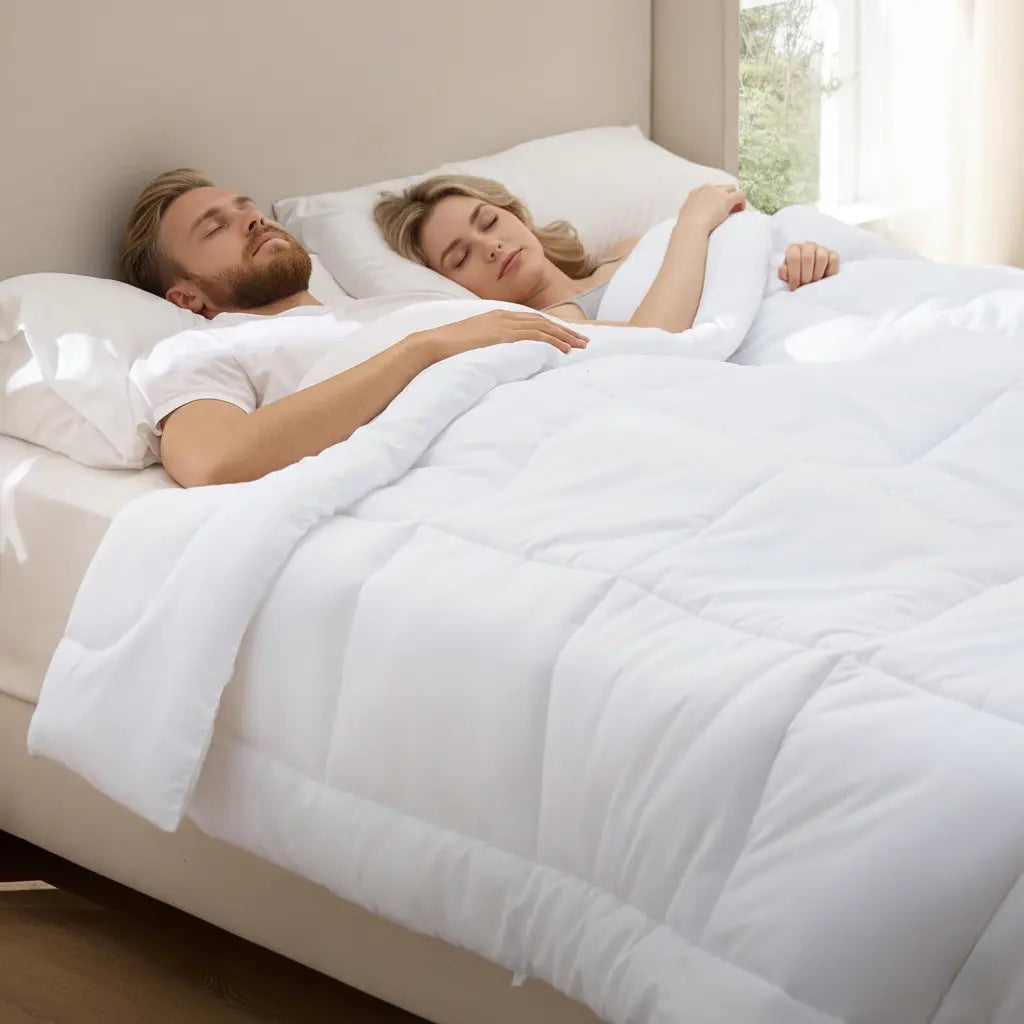
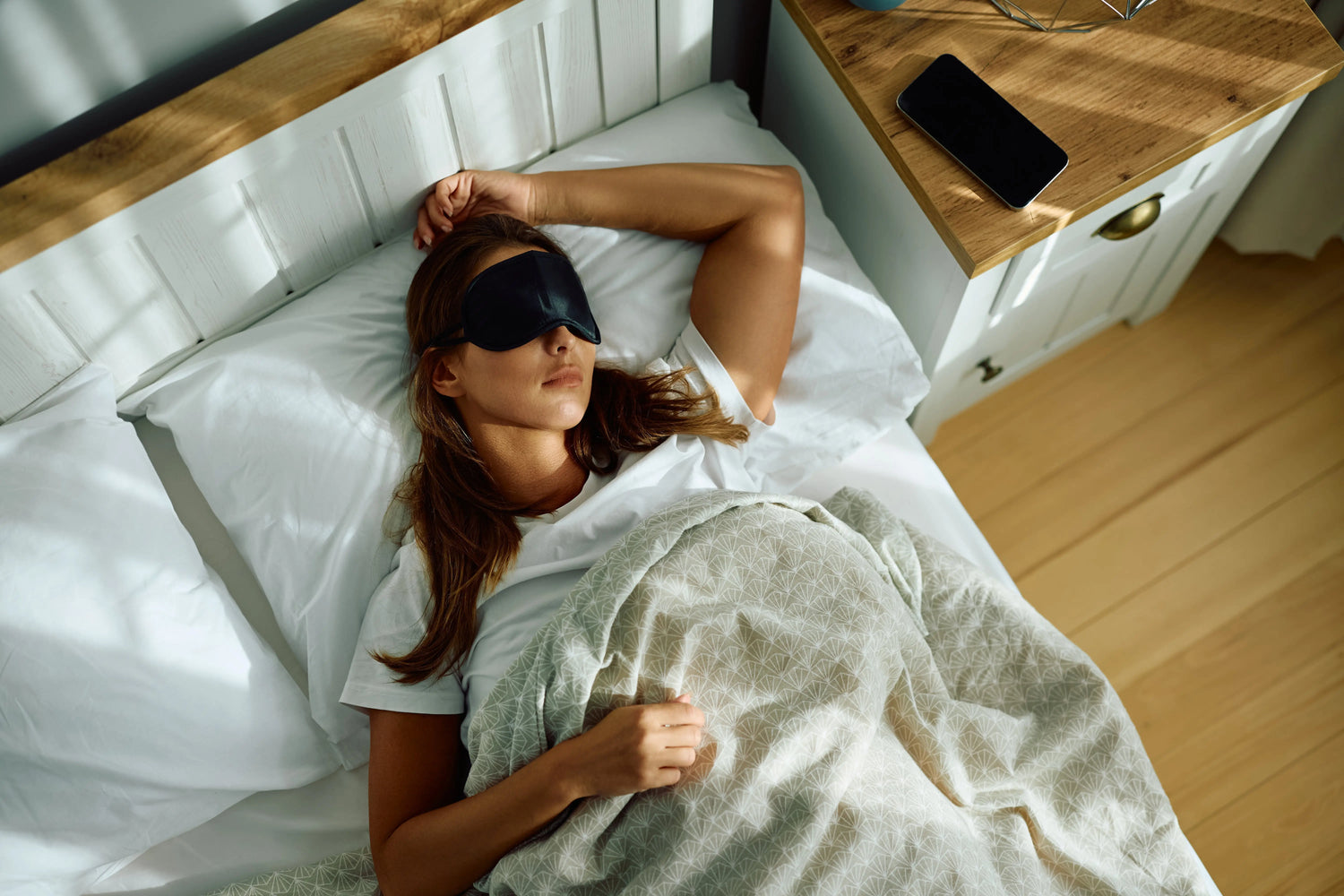
Back sleeping often makes it easier to distribute weight evenly. It can feel stable for the spine, especially when the lower back is supported.
How to back sleep better
-
choose a lower-loft pillow that supports the natural neck curve
-
keep arms in a similar position to avoid uneven strain
-
place a pillow under the knees if the lower back feels tense
Stomach Sleeping
This is the least recommended position for most people because it often twists the neck and strains the lower back. If you cannot avoid it, keep the pillow very thin and consider placing a small pillow under the hips.
The Best Position for Relaxing Before Sleep Also Matters
A lot of sleep discomfort starts before you even fall asleep. Reading or scrolling in bed with unstable support can put stress on the neck, shoulders, and upper back, making it harder to settle into a good sleep position later.
Comfort Tip: Slumblr® Arm Pillow
If sitting upright in bed or on a sofa feels uncomfortable because regular pillows collapse or slide, an arm support pillow can help you maintain a steadier posture. Slumblr’s plush backrest design uses a structured upright shape with side wings that support the arms, helping reading or screen time feel more relaxed and less tiring. It is also easy to maintain with a removable, washable cover, making it practical for everyday lounging.

Should You Change Your Sleeping Position?
Not always. If you sleep well and wake up without aches, your current position is likely working. But if you regularly wake up sore, tired, or stiff, it may be worth adjusting your posture and adding small support tools.
Start with gentle changes:
-
try side sleeping with knee support
-
try back sleeping with knee elevation
-
reduce twisting and slouching during pre-sleep lounging
The best sleeping position is the one that helps you sleep deeply and wake up feeling better.


Leave a comment
This site is protected by hCaptcha and the hCaptcha Privacy Policy and Terms of Service apply.