































You wake up, check the time, and there it is again. 3 a.m.
It can feel oddly specific and deeply frustrating, especially when it keeps happening. In most cases, the exact time is not the real issue. It is usually a sign that something is making your sleep lighter, easier to interrupt, or harder to return to once you wake up.
The good news is that these wake ups often have a pattern behind them. Once you understand what may be breaking your sleep, it becomes much easier to make changes that actually help.

Why 3 a.m. Feels So Common
Waking in the middle of the night is more common than many people think.
Your sleep moves through different stages across the night. Earlier sleep tends to be deeper, while later sleep becomes lighter. When sleep is lighter, it takes much less to wake you up. Stress, hunger, room discomfort, noise, temperature changes, or a simple shift in sleep stage can all be enough to pull you awake.
That is why 3 a.m. can feel so consistent. It is often not about the time itself. It is about what your body and your sleep environment are doing at that point in the night.
Common Reasons You May Be Waking Up
Stress and anxiety
Stress is one of the biggest reasons people wake during the night.
When your mind is carrying pressure from work, money, relationships, or tomorrow’s responsibilities, the quiet of the night can make all of that feel louder. Your body may also stay physically alert, which makes it harder to settle back down.
This is why many people describe the feeling as tired but wired.

Going to bed hungry
Sometimes the reason is very simple. Your body needs fuel.
If you eat too early or go to bed hungry, your body may wake you because it needs energy. What feels like a random 3 a.m. wake up may actually be tied to hunger or overnight blood sugar changes.
Going to bed overly full can disrupt sleep too, but going to bed starving can be just as unhelpful.
Lighter sleep stages
Sleep is not one steady block. It shifts through cycles.
Later in the night, sleep often becomes lighter and easier to interrupt. That means dreams, body temperature changes, stress, or small sounds can wake you more easily. If this starts happening often, your body can also get used to waking around the same time.
A bedroom that feels uncomfortable
Sometimes the problem is not inside your body. It is in the room around you.
A bedroom that feels too warm, too bright, stuffy, or noisy can break up sleep more than people realize. Even small disruptions can matter in the middle of the night, especially when your sleep is already lighter.
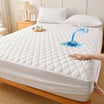
Bed comfort matters too. If the mattress feels less cushioned, shifts under you, or no longer feels fresh and comfortable, that discomfort can become more noticeable once you wake up. A layer like the Slumblr® Waterproof Thick Mattress Protector can help here by adding light quilted cushioning while also creating a breathable protective barrier against spills, moisture, and everyday wear. Because it fits securely with elasticized edges, it can help the bed feel smoother and more settled without changing the overall feel of the mattress too much.

Insomnia patterns
For people with insomnia, waking up is often only the first part of the problem.
The bigger issue is what happens next. If you start worrying about how much sleep you are losing, get frustrated, or try too hard to force sleep, that pressure can keep you awake longer.
In many cases, the anxiety about being awake becomes more disruptive than the wake up itself.
Caffeine, late meals, alcohol, or medication
What you do earlier in the day can show up in the middle of the night.
Common triggers include:
• caffeine too late in the day
• a heavy meal too close to bedtime
• alcohol close to bed
• certain medications, including some cold medicines, antidepressants, steroids, or blood pressure medications
If this keeps happening, it is worth looking at what you ate, drank, or took in the hours before bed.

Age related sleep changes
As people get older, sleep often becomes lighter and easier to interrupt.
Many older adults also deal with more bathroom trips, body aches, temperature sensitivity, and earlier natural wake times. That does not mean poor sleep should simply be accepted, but it does mean overnight wake ups can become more common.
Other health issues
Sometimes waking at 3 a.m. points to something bigger than stress or routine.
Possible reasons include:
• sleep apnea
• reflux
• frequent bathroom trips
• menopause or hot flashes
• leg movements during sleep
• chronic pain
• other health conditions that make sleep less continuous
If waking up often is affecting your energy, mood, or quality of life, it is worth taking seriously.

What to Do If You Keep Waking Up at 3 a.m.
The right fix depends on the cause, but a few simple changes can help many people.
Handle stress before bed
If your brain starts racing at night, give it time to unload earlier. Write down tomorrow’s tasks, worries, or reminders before bed so your mind does not keep trying to hold them overnight.
Keep the bedroom restful
Make the room dark, quiet, and comfortably cool. Your bedroom environment matters even more during lighter sleep. A room that feels calm and physically comfortable gives you a better chance of falling back asleep more quickly.
It also helps if the bed itself feels clean, smooth, and supportive instead of distracting or uncomfortable.
Do not go to bed starving
If dinner is very early and you often wake hungry, a light bedtime snack may help.
Stay consistent
Try to keep a more regular schedule for sleep, wake time, and your last meal. Your body usually sleeps better when it knows what to expect.
Be careful with caffeine and late eating
Caffeine later in the day and heavy meals too close to bedtime can make sleep more broken and less restful.
If you are wide awake, stop forcing it
If you have been awake long enough to feel frustrated, it may help to get out of bed for a short time and do something calm instead of lying there getting more tense.
That is where it helps to have a simple, comfortable setup outside the bed. If you like to read on a phone or tablet for a few minutes in a chair, on the sofa, or at your bedside, the Slumblr® Plush Adjustable Device Pillow Stand can make that feel easier and less awkward. Its adjustable angle support helps keep the screen steady for hands free viewing, so you are not constantly holding or repositioning your device while trying to stay calm. The goal is to keep the activity low effort and relaxing while helping your bed stay associated with sleep instead of frustration.

Get daylight and movement during the day
Morning light and regular movement can help support a steadier sleep pattern at night.
Practical Tips for Sleeping Through the Night
If you want a simple place to start, focus on these:
• keep your bedroom cool, dark, and quiet
• avoid going to bed hungry
• cut back on caffeine later in the day
• avoid heavy late meals
• manage stress before you get into bed
• keep your sleep and wake times more consistent
• get daylight in the morning
• get regular movement during the day
• make sure your bed feels comfortable and not overly warm
When It Is Time to Get Help
Waking during the night is common. Staying awake for long stretches again and again is a bigger issue.
It is a good idea to talk to a healthcare provider or sleep specialist if:
• you stay awake for long periods during the night
• it happens often and affects your daytime energy
• you snore, gasp, or suspect sleep apnea
• you think medication may be part of the problem
• you have frequent reflux, hot flashes, pain, or bathroom trips
• your sleep anxiety is getting worse

Final Thoughts
Waking up at 3 a.m. does not always mean something is seriously wrong. In many cases, it is a sign that stress, hunger, bedroom discomfort, routine issues, or lighter sleep stages are making your sleep easier to interrupt.
The key is not to obsess over the time. The real goal is to notice the pattern behind it. Once you figure out what is breaking your sleep, it becomes much easier to improve it.




Leave a comment
This site is protected by hCaptcha and the hCaptcha Privacy Policy and Terms of Service apply.